
Antique Scanner: Identify & Value Antiques by Photo
Scan an antique. Know what it is and what it's worth.
About Antique Scanner: Identify & Value Antiques by Photo
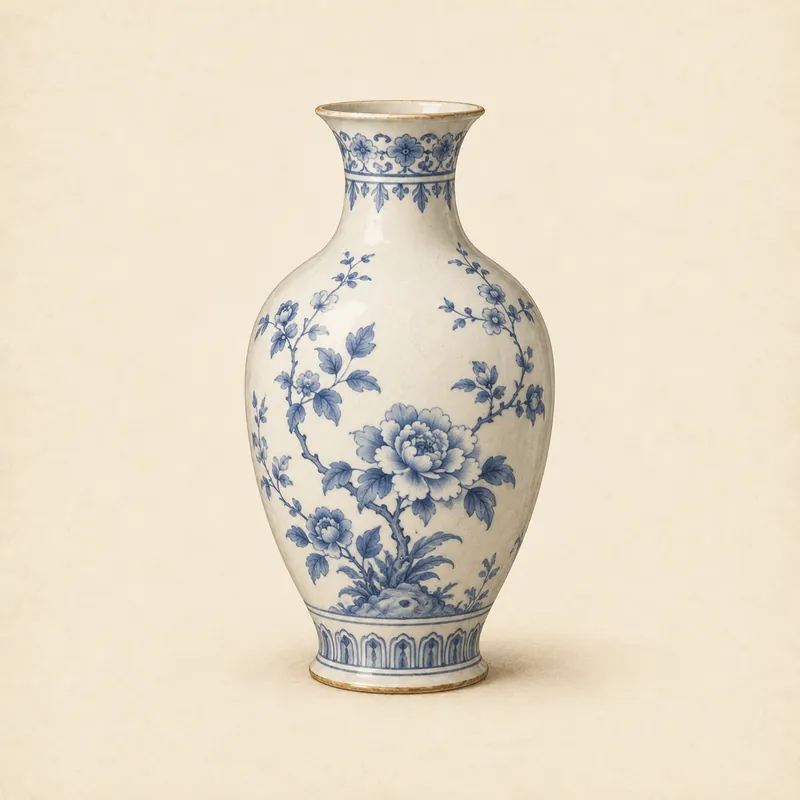
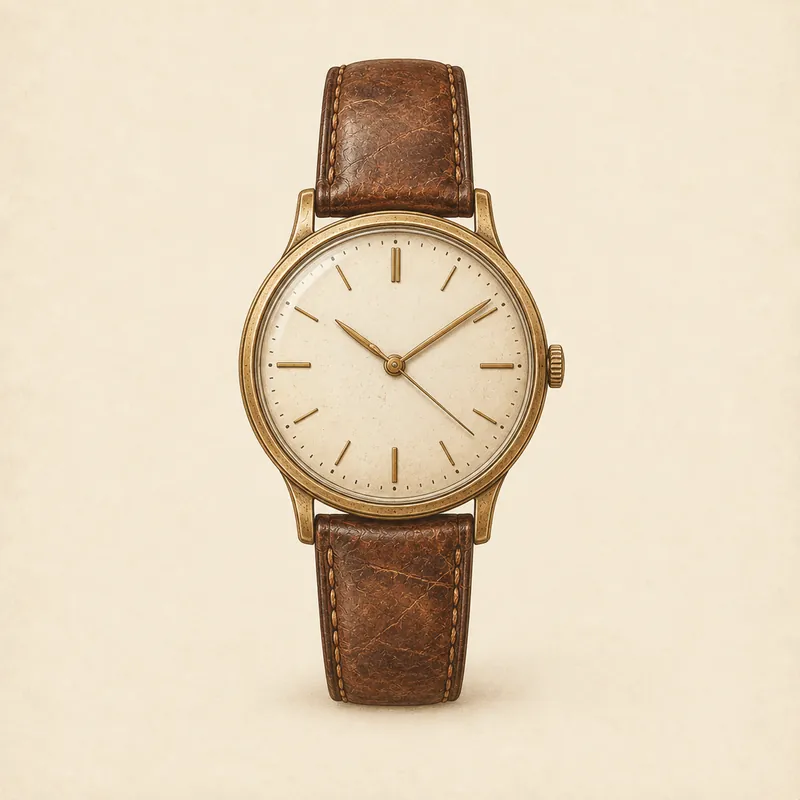
Antique Scanner helps users identify antiques, vintage items, and collectibles from photos. Users can upload up to five JPG, PNG, or WebP images of an item, including full side views, the bottom or base, maker’s marks, hallmarks, signatures, and close-ups of damage or restoration. The scanner reads form, materials, construction, marks, and wear to estimate what the item is, when it was made, where it may come from, and what it may be worth.
Reports are structured around evidence, confidence, and uncertainty instead of a single guess. Each report can include maker and mark analysis, a three-tier value estimate with quick sale, market, and dealer prices, confidence labels such as Identified, Likely, Possible, or Uncertain, open questions, and suggested next photos when more detail would improve the result. Antique Scanner works with categories including porcelain, silver, furniture, watches, pottery marks, glass, vases, jewelry, and other old objects.
The first scan is free, and a Full Antique Report costs $3.98 after that, with no subscription.
Features
- Reads maker's marks, hallmarks, and signatures
- Provides three-tier value estimates (quick sale, market, dealer)
- Labels confidence and shows evidence for findings
- Photo-based antique identification with up to five images
Use cases
- Verifying authenticity before buying antiques
- Estimating value of inherited family items
- Checking potential resale worth of thrifted finds
- Read pottery marks, porcelain marks, or silver hallmarks
Screenshots
Frequently asked questions
How is Antique Scanner different from Google Lens?
Google Lens finds visually similar images, but Antique Scanner reads marks, materials, and construction to identify and value the exact item in your photos.
How accurate is the identification?
Identification comes with confidence labels like Identified, Likely, Possible, or Uncertain and provides evidence and suggestions for which photos improve accuracy.
Can it read pottery marks and silver hallmarks?
Yes, it reads marks as a strong signal and offers dedicated identification pages for pottery, porcelain, and silver, asking you to photograph marks closely in raking light.
What does an Antique Scanner report include?
Reports include identification, evidence, confidence labels, open questions, and value ranges.
What does a scan cost?
The first scan is free. After that, a Full Antique Report costs $3.98 as a one-time payment with no subscription.
0 comments
Sign in to leave a comment.
No comments yet. Say something useful and be the first.